
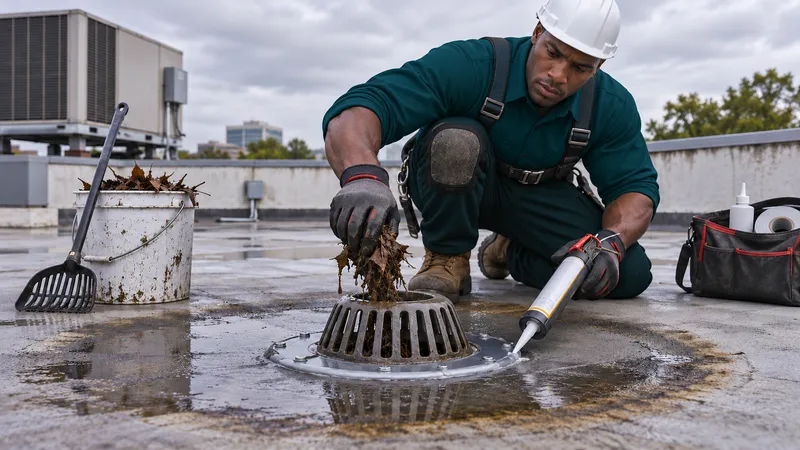
Flat Roof Repair
Hail-bruised TPO, EPDM, and bitumen roofs get cut-out patches over new board where impact crushed the insulation.
Flat roof repairAs a Moville commercial roof repair contractor, we inspect business roofs after hail and wind, stop water with temporary patches, and make the permanent repairs.
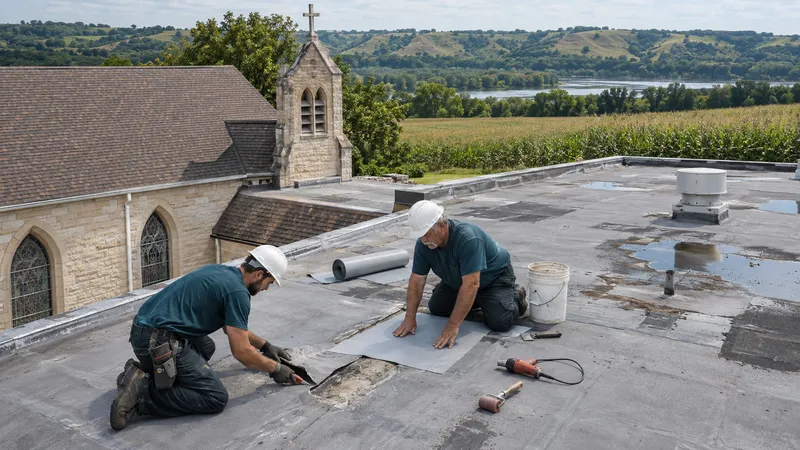
After The Storm
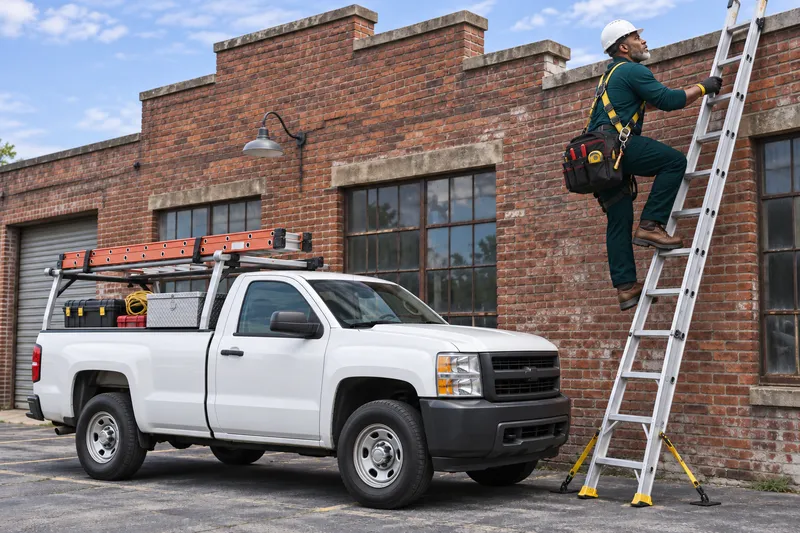
Moville commercial roof repair calls spike after storms. Hail bruises membrane and dents metal at the screws, and wind lifts edge metal and peels flashing, so a roof that looks fine from the parking lot can still be open.
We walk the whole roof, photograph every damaged spot with a reference to where it sits, and patch what is letting water in before the next rain. The photo set goes to you for your insurance records.
Storm Damage
Storm damage is easy to miss from the ground. These are the conditions we find most often on a Moville roof after a storm.
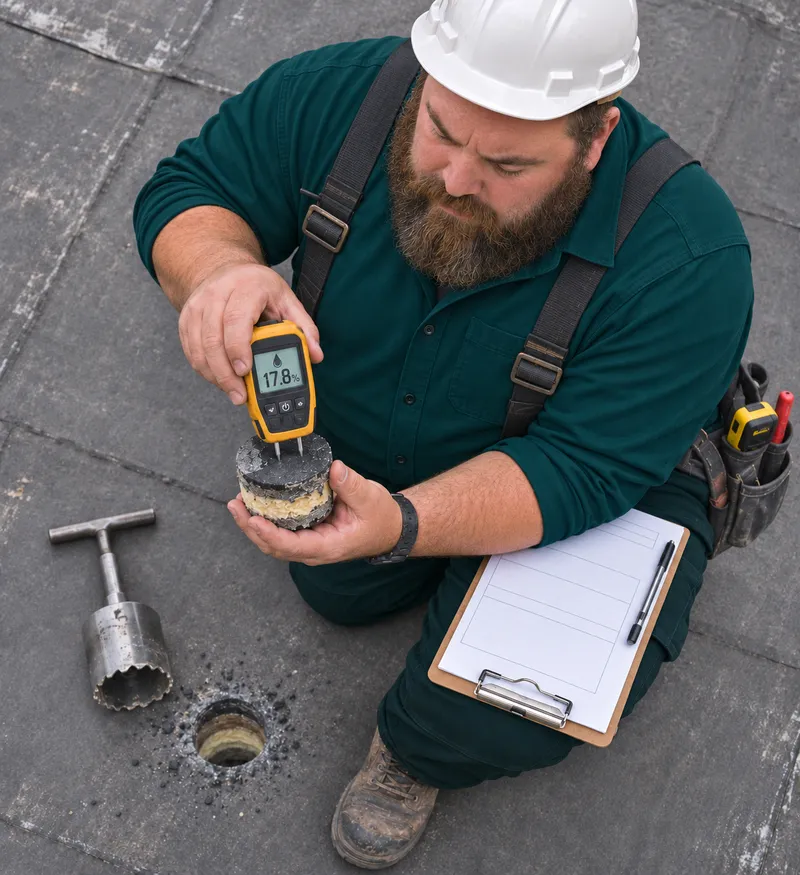
Crushed insulation under an unbroken membrane is easy to miss, and the bruise opens weeks later.
Stones that land near a screw bend the panel around it and crack the washer, opening a small leak.
Cracked or shattered skylight panels let rain straight in and need a cover before the next storm.
Wind gets under loose edge metal and peels the membrane back from the roof perimeter.
Aged seams that were already stiff crack open when hail strikes along the lap.
Ice pellets and torn leaves pile up at strainers, and water ponds across the roof during the next rain.
Patch Or Replace
Storm damage can be a few spots or the whole surface. The roof walk shows which, and the decision follows from it.
| What You Weigh | Repair Now | Plan Larger Work |
|---|---|---|
| Hail marks | Bruises and splits in a few areas. | Bruising across most of the roof surface. |
| Perimeter | One edge or corner lifted. | Edge metal loose along most of the roof. |
| Insulation | Crushed or wet board in small patches. | Crushed or wet board across large areas. |
| Records | Photos and notes for each repaired spot. | Full photo set for an insurance claim on the roof. |
| Timing | Temporary patch now, repair soon after. | Temporary patches now, replacement planned later. |
Repair Services
Storm damage spans every roof type, so all four services come into play after hail or wind in Moville.
Hail-bruised TPO, EPDM, and bitumen roofs get cut-out patches over new board where impact crushed the insulation.
Flat roof repair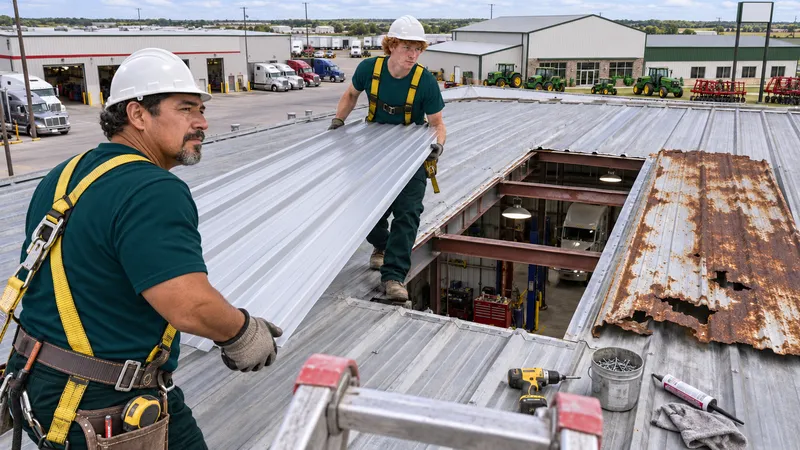
Dented panels near screws get new fasteners and washers, and holed or cracked panels get replaced to match.
Metal roof repair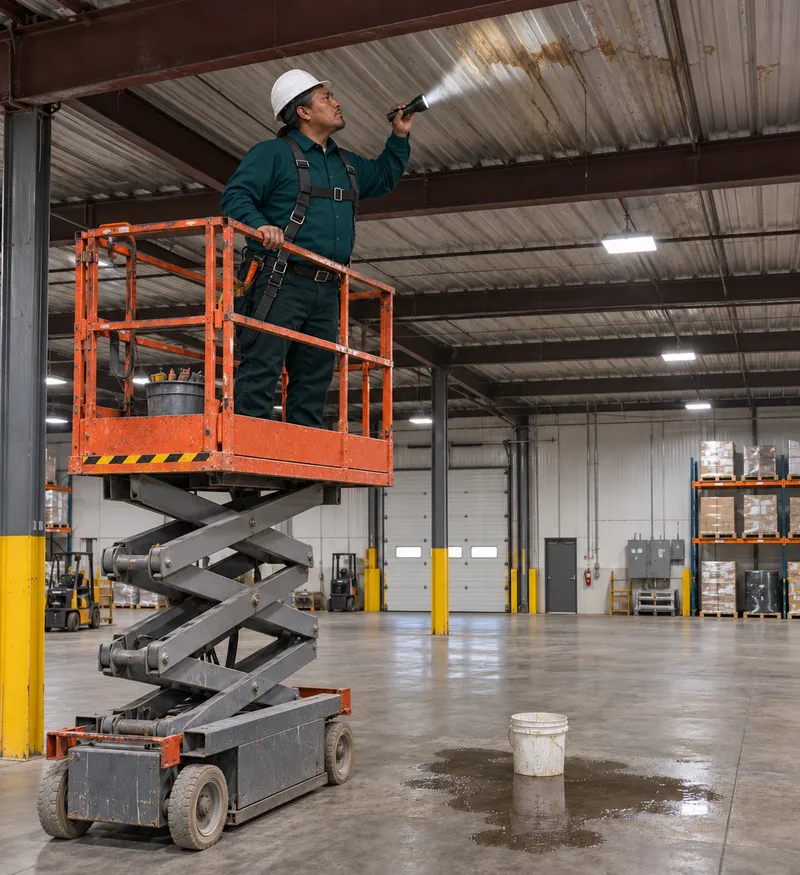
Leaks that start weeks after a storm get traced back to the bruise or split seam that finally opened.
Roof leak repair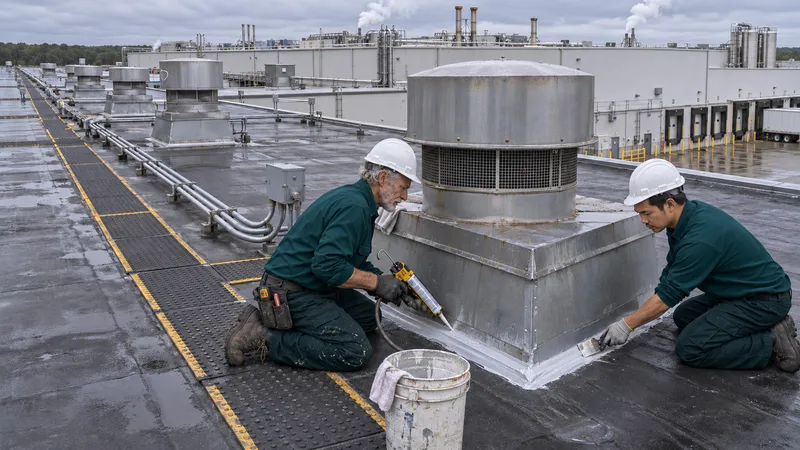
Plant and storage roofs with fans and vents get curb flashing and skylight repairs after storm impact.
Industrial roof repair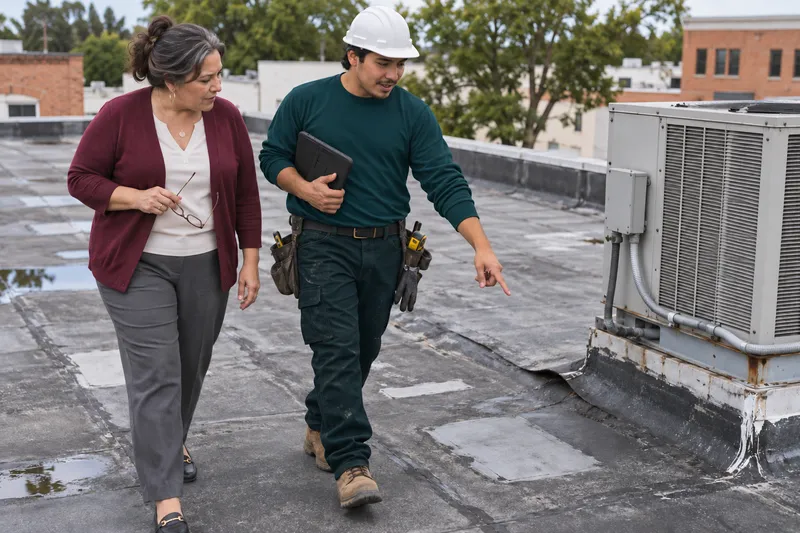
Stay off the roof and call. Tell us where water is showing up inside, and we will set up the inspection and temporary patches.
Storm Steps
After a storm, the order matters: protect the inside, stop the water, document, then repair.
Move inventory and equipment away from drips, catch the water, and photograph the inside damage. Stay off the roof; torn membrane and loose panels are hazards.
The crew walks every section, marks hail bruises, splits, dents, and lifted edges, and photographs each one with a note on where it sits.
Temporary patches, sealant, or covers close the openings that are letting water in so the building stays dry while repairs are planned.
You get the photo set and a written list of damage by roof area, which you can share with your insurance adjuster.
Crushed insulation is replaced, membrane and panels are repaired with matching material, and edge metal is refastened.
Nearby Towns
Storm checks reach Sioux City and four more towns. Outside them? Call us or send us a message.
Membrane, metal, and plant roofs across the city.
Fastener work on steel warehouses and shops.
Blisters and wall flashing on older storefronts.
Spring fixes on farm and equipment roofs.
Early leak repair on small business roofs.
Local Questions
Answers for Moville owners dealing with storm damage.
Protect people, stock, and equipment under any leak first, and photograph the damage inside and any roof debris on the ground. Keep everyone off the roof. Then have it inspected so temporary patches stop the water, and plan permanent repairs and insurance paperwork from the inspection record.
We do. Call with the address and what you see inside, and we set up a full roof walk. Every damaged spot is photographed and tagged to its roof area, and openings that let water in get a temporary patch on that visit.
As soon as the storm passes and it is safe to be on the roof. Hail bruises can open weeks later, and a quick walk finds them while they are still small. Leaks already showing inside go first, and the rest of the roof gets checked on the same visit.
For a short time, yes. Temporary patches and covers are made to stop water, and we check them if repairs wait on a claim. Permanent repairs should follow as soon as the paperwork allows, because temporary materials wear faster than the roof around them.
The photo set and damage list give your adjuster a record of what hail and wind did to each part of the roof. We document the damage; the claim decision belongs to your insurer.
The spread of the damage sets most of it. A few bruises and one lifted edge cost far less than crushed insulation across a section, and broken skylights and dented panels each add parts and labor.
Membrane roofs, metal panel roofs, skylights, edge metal, flashing, and drains on business, farm, and plant buildings. The same crew handles the temporary patch and the permanent repair.
Tell us when the storm hit and where water is showing up. We will inspect, patch, and document the damage.